
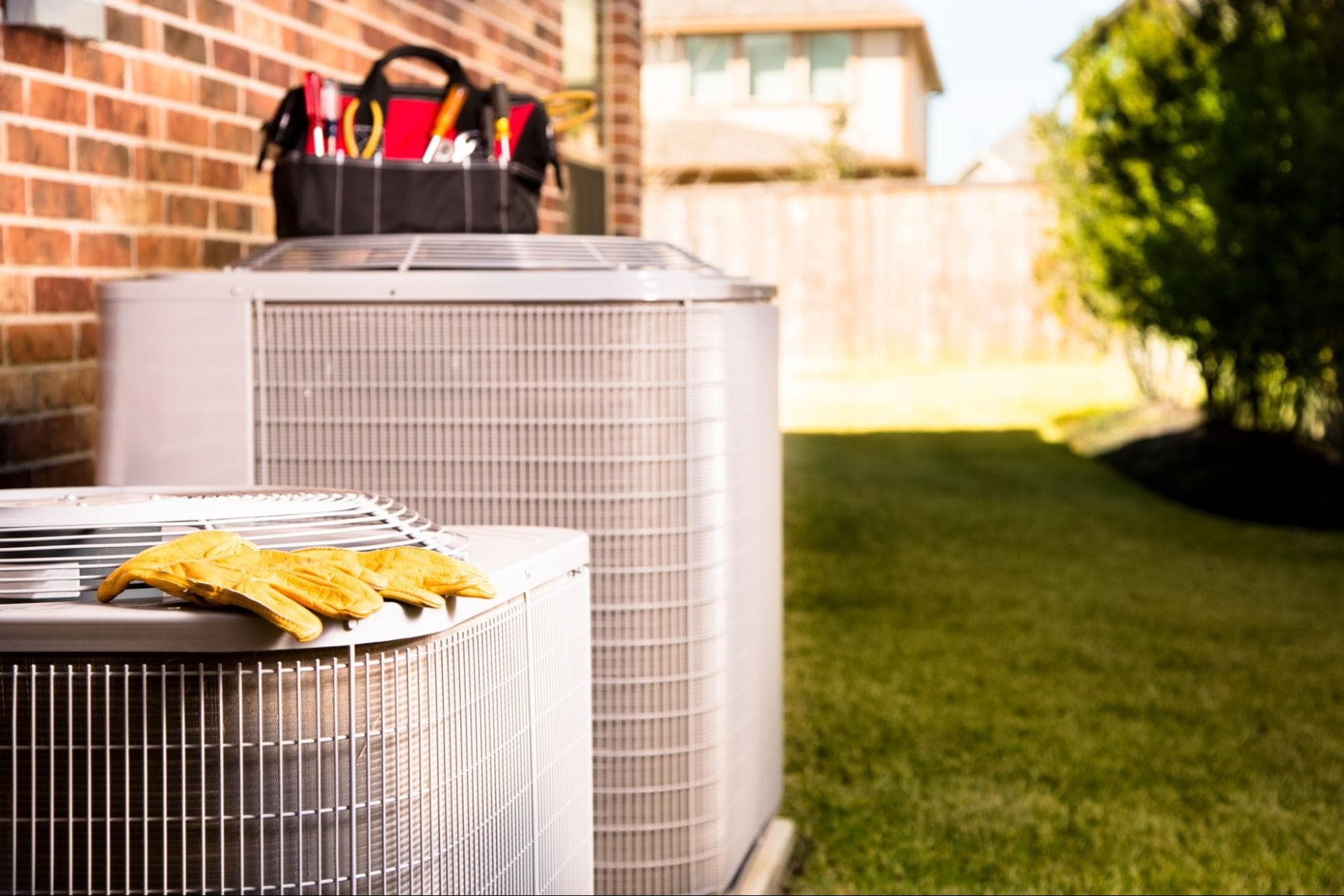
A frozen air conditioner typically signals an underlying problem like restricted airflow, dirty filters, or refrigerant leaks. Continuing to run a frozen unit can cause serious system damage. If your AC freezes, turn off the cooling mode to let it thaw, then inspect simple fixes like replacing dirty filters or unblocking vents before calling for professional HVAC service.
On this page:
What Does a Frozen Air Conditioner Look Like?
What Should You Do If Your AC Is Frozen?
7 Common Causes of a Frozen AC and How to Fix Them
Need Air Conditioner Repair in Pennsylvania?
Frequently Asked Questions
Nothing is more frustrating than discovering your air conditioner is covered in ice during the middle of a hot summer day in Delaware County or Chester County. While it may seem strange for an AC system to freeze when outdoor temperatures are soaring, it's actually a common issue homeowners across the Main Line face.
A frozen air conditioner is usually a sign that something isn't working correctly within your cooling system. If left untreated, it can lead to reduced comfort, higher energy bills, and costly repairs. Here's what you need to know about why your air conditioner is freezing up and what you should do next.
What Does a Frozen Air Conditioner Look Like?
Because a frozen evaporator coil often happens inside your equipment, it can be hard to spot until the system stops cooling properly. However, if your AC is frozen, keep an eye out for these common warning signs:
Ice forming on the indoor evaporator coil
Ice buildup on the refrigerant lines
Reduced airflow from your vents
Warm air coming from your registers
Water pooling around your indoor unit after the ice melts
Higher-than-normal energy bills
In many cases, homeowners don't realize their system is frozen until they notice their home isn't cooling properly.
What Should You Do If Your AC Is Frozen?
Turn off the cooling mode: Turn the system to "OFF" at the thermostat.
Switch the thermostat fan setting to "ON": This forces the blower fan to run continuously, circulating warm indoor air over the frozen coil to help it thaw safely.
Allow the ice to thaw completely: This can take several hours depending on the thickness of the ice.
Check and replace your air filter if needed: A dirty filter is the easiest issue to resolve at home.
Make sure vents are open and unobstructed: Open any closed registers to restore system balance.
Schedule professional service if the problem returns: Persistent freezing points to mechanical or refrigerant issues.
Caution: Avoid attempting to chip away ice manually or force the system to continue operating in cooling mode. Doing so can bend or puncture sensitive aluminum evaporator fins, leading to much more expensive repair bills.
7 Common Causes of a Frozen AC and How to Fix Them
Understanding the root cause of your frozen AC is the first step toward restoring cooling efficiency. Below, we break down the most common reasons behind frozen AC components and the practical steps you can take to address them.
1. Dirty Air Filter
One of the most common causes of a frozen air conditioner is a clogged air filter. Your system needs a steady flow of warm air passing over the evaporator coil. When airflow becomes restricted, the coil can get too cold and moisture in the air begins to freeze.
What You Can Do
Check your air filter and replace it if it's dirty. Most filters should be inspected monthly and changed every one to three months, depending on usage and manufacturer recommendations.
2. Blocked or Closed Air Vents
Closing vents in unused rooms may seem like a good way to save energy, but it can actually create airflow problems throughout your system. Blocked vents, furniture placed in front of registers, or closed dampers can reduce airflow enough to cause freezing.
What You Can Do
Walk through your home and make sure all supply and return vents are open and unobstructed.
3. Dirty Evaporator Coil
Over time, dust and debris can accumulate on your evaporator coil. This buildup acts as insulation, preventing the coil from absorbing heat efficiently. As the coil temperature drops, condensation can freeze and continue accumulating until airflow is severely restricted.
What You Can Do
Evaporator coils should be professionally cleaned as part of routine air conditioning maintenance.
4. Refrigerant Leaks & Low Refrigerant Levels
Refrigerants play a critical role in heat absorption. When leaks occur due to worn components or damage, low refrigerant levels cause system pressure to drop. This drop in pressure causes the remaining refrigerant to run much colder than normal, leading to frozen coils and poor cooling.
Signs of a Refrigerant Leak
Frozen refrigerant lines
Hissing sounds
Longer cooling cycles
Higher utility bills
Reduced cooling capacity
Note: Because refrigerant leaks will not resolve on their own and require specialized recovery equipment and EPA-certified handling, professional repair is necessary to seal and recharge the system.
5. Blower Fan Problems
Your blower fan is responsible for circulating air throughout your home. If the fan motor is failing or operating improperly, insufficient airflow can cause the evaporator coil to freeze.
Warning Signs
Weak airflow from vents
Unusual noises
Inconsistent temperatures throughout the home
System running longer than normal
A WM Henderson professional HVAC technician can inspect the blower assembly and identify any failing components.
6. Drainage Problems
Your air conditioner removes humidity from the air as it cools your home. That moisture normally exits through a condensate drain line. If the drainage system becomes clogged, excess moisture can contribute to freezing and water damage around the unit. Routine maintenance helps keep the condensate system operating properly.
7. Running the AC When Temperatures Are Too Cool
Air conditioners are designed to operate within specific outdoor temperature ranges. Running your cooling system on unusually cool evenings or during mild weather can sometimes cause the evaporator coil to become too cold and freeze. This is more common during spring and fall when temperatures fluctuate significantly.
Main Line Summer Humidity and AC Freeze Risks
In Delaware and Chester Counties, summer doesn't just bring heat, it brings punishing humidity. High outdoor humidity forces your air conditioner to pull massive amounts of water vapor out of your indoor air as it cools. This moisture normally flows down the condensate line safely.
However, if your evaporator coil is already running too cold due to a dirty filter or low refrigerant, that heavy condensation will instantly turn to frost. On humid Main Line afternoons, a tiny layer of frost can rapidly snowball into a thick block of ice, choking off airflow entirely and causing your utility bills to skyrocket. Keeping up with routine maintenance and replacing filters proactively is your best defense against humidity-driven AC freeze-ups.
Need Air Conditioner Repair in Pennsylvania?
If your air conditioner keeps freezing up or isn't keeping your home comfortable, professional diagnosis is the fastest way to prevent further damage. The experienced HVAC technicians at WM Henderson serve homeowners throughout Delaware County, Chester County, and Pennsylvania’s Main Line, including Newtown Square, identifying the root cause of the problem to restore home comfort efficiently.
Is your air conditioner freezing up? The certified experts at WM Henderson are here to help throughout Broomall, Wayne, Havertown, and nearby communities. Schedule your AC repair today or give our friendly local team a call to get your home back to being cool and comfortable!
Book Now
Call us at (484) 321-8634
Frequently Asked Questions
Why does my AC keep freezing up?
An AC that keeps freezing up may have an ongoing airflow problem, low refrigerant, a dirty evaporator coil, blower fan issue, or another mechanical problem. If your air conditioner continues to freeze after replacing the filter and checking your vents, schedule professional AC service to identify the underlying cause.
What is the quickest fix for an AC that is freezing up?
Turn off the cooling mode and set the thermostat fan to "On" to help circulate air while the ice melts. Check and replace a dirty air filter and make sure all vents are open and unobstructed. If the AC freezes again, professional diagnosis is recommended.
Can low refrigerant cause an air conditioner to freeze up?
Yes. Low refrigerant can lower pressure inside the system and cause the evaporator coil and refrigerant lines to become cold enough to freeze. Low refrigerant often indicates a leak, so a professional should identify and repair the leak before adding refrigerant.
Why are my AC lines freezing but my house is still hot?
Frozen AC lines combined with a warm home usually indicate an airflow or refrigerant problem. A dirty filter, blocked vents, blower fan issue, or low refrigerant can prevent your system from transferring heat properly and cause ice to form on the refrigerant lines.
Should I turn off my AC if it is frozen?
Yes. Turn off the cooling mode and allow the ice to thaw completely before operating the system again. Continuing to run a frozen AC can restrict airflow and place additional strain on components such as the compressor. If the problem returns, have the system professionally inspected.
Can a frozen air conditioner damage the system?
Yes. Continuing to run a frozen air conditioner can place additional strain on major components, including the compressor. Since the compressor is one of the most expensive parts of an AC system, addressing freezing issues quickly can help prevent larger repair bills.
How can I prevent my air conditioner from freeze-ups?
The best way to avoid a frozen air conditioner is through regular maintenance and prompt attention to airflow issues. Routine maintenance allows small issues to be identified before they develop into major system problems. Homeowners can help prevent freeze-ups by:
Replacing air filters regularly
Keeping vents open and clear
Scheduling annual AC tune-ups
Addressing unusual noises or performance issues early
Related Articles
What do you need help with today?
Heating
No heat, strange smells, rising bills? We repair and replace heating systems to keep your home reliably warm.
Air Conditioning
AC blowing warm air? Uneven cooling in your rooms? We fix cooling issues fast and keep your system running smoothly all summer.
Plumbing
Our highly trained plumbers handle it all, from leaky faucets to full system installations and repipes.
Electrical
The smartest team in town. You need repair, installations, wiring, inspections, lighting — you name it.