
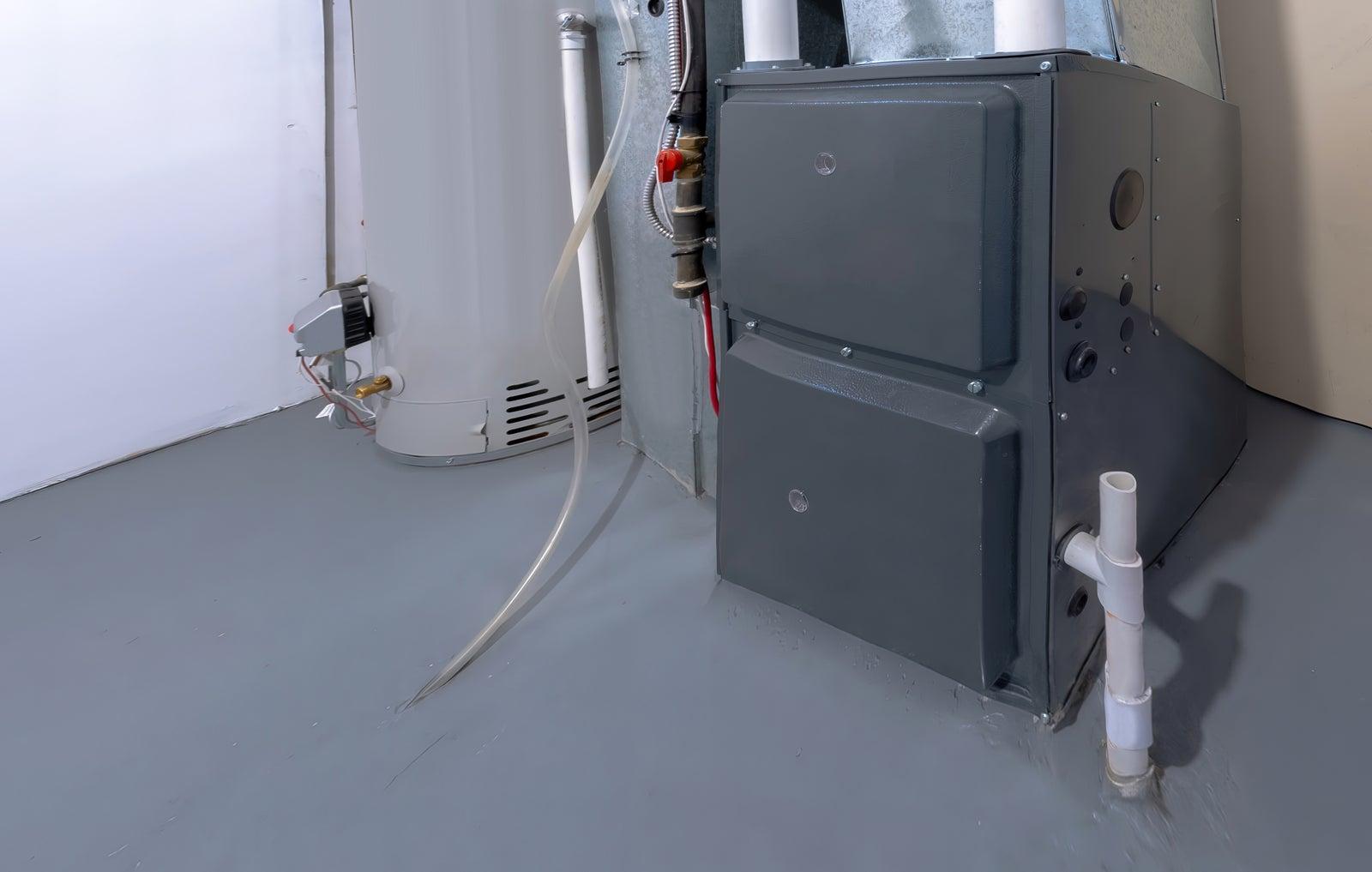
Quick answer: Most furnaces last 15 to 20 years. Gas furnaces typically last 15 to 20 years, oil furnaces about 20 to 22 years, and electric furnaces 20 to 30 years because they have no combustion wear. Maintenance, sizing, installation quality, and how hard the furnace runs all shift those numbers. Start planning for a replacement around year 15.
On this page:
Furnace lifespan by type
How to find your furnace's age
What shortens a furnace's life
Signs your furnace is near the end
Repair or replace?
How to make your furnace last longer
Why choose Wm Henderson
FAQs
Your furnace has kept you warm through a lot of winters, but it won't last forever. Maybe it's getting louder, your heating bills are creeping up, or a technician just mentioned the word "replacement." Knowing how long a furnace should last helps you decide whether to keep repairing it or start planning for a new one.
This guide covers the average lifespan of gas, oil, and electric furnaces, what wears them out, the warning signs to watch for, and how to make the repair-or-replace call. If your furnace is acting up now, Wm Henderson repairs and replaces gas, oil, and electric furnaces across Pennsylvania and Delaware. Call 484-206-8594.
How Long Do Furnaces Last? Average Lifespan by Type
The average life of a furnace is 15 to 20 years, though well-maintained units can last longer. Home inspectors at InterNACHI put the range at 15 to 25 years. Furnace life expectancy depends heavily on the fuel type, because each type wears out in a different way.
Furnace type | Typical lifespan | Why |
Gas | 15–20 years | Years of heating and cooling cycles stress the heat exchanger and burners |
Oil | About 20–22 years | Durable, but needs annual burner and soot maintenance to get there |
Electric | 20–30 years | No combustion, so less corrosion and wear on parts |
High-efficiency gas (condensing) | Similar to standard gas when installed and maintained correctly | Lifespan depends on proper condensate drainage and venting |
How Long Does a Gas Furnace Last?
A gas furnace typically lasts 15 to 20 years, according to Carrier and Bryant. Some last longer with excellent care, but reaching 30 years is rare.
The part that usually decides a gas furnace's lifespan is the heat exchanger. A heat exchanger is the metal chamber that transfers heat from burning gas to the air blown through your home while keeping combustion gases separate. Every heating cycle expands and contracts that metal. Over many winters, it can weaken or crack.
How Long Do Oil Furnaces Last?
Oil furnaces last an average of about 20 to 22 years, depending on the region, according to a 2024 U.S. Department of Energy analysis of national housing survey data. Oil-fired equipment is built to be durable, but it burns less cleanly than gas. Soot can build up on the burner, nozzle, and heat exchanger, so annual professional cleaning and tune-ups matter even more for oil furnaces.
Wm Henderson repairs and installs oil furnaces, so if you're weighing a repair on an older oil system, our technicians can help you compare your options, including furnace replacement.
Electric Furnace Lifespan
Electric furnaces often last 20 to 30 years, per Carrier. Because they don't burn fuel, there's no combustion, no flue gases, and less corrosion. Parts like heating elements, sequencers, and blower motors still wear out over time, but they can usually be replaced without replacing the whole furnace.
Do High-Efficiency Furnaces Last as Long?
Yes, as long as they're installed and maintained correctly. Efficiency is measured by AFUE (Annual Fuel Utilization Efficiency): the percentage of fuel a furnace turns into usable heat over a year. ENERGY STAR-certified gas furnaces now reach at least 97% AFUE in the northern U.S. and 95% in the south, according to ENERGY STAR.
High-efficiency furnaces produce condensation, so they need a properly installed drain line and venting. When those are done right, they typically last about as long as standard models. A high AFUE rating alone doesn't guarantee a longer life.
How Old Is Your Furnace? How to Find Out
If you didn't install your furnace yourself, you may not know its age. Here's how to find it:
Check the data plate. Look for a metal or paper label inside the furnace's access panel. It lists the model and serial number and sometimes the manufacture date.
Decode the serial number. Many manufacturers build the manufacture year (and often the month or week) into the serial number. The format varies by brand, so check the manufacturer's website or call their support line.
Look for an install sticker or paperwork. Installers often leave a sticker on the unit, and your home inspection report or closing documents may list the furnace's age.
Ask a technician. During a tune-up, your HVAC technician can usually tell you the furnace's age and how it's holding up.
What Shortens a Furnace's Lifespan?
Two furnaces of the same model can have very different lifespans. These are the factors that wear a furnace out faster:
Skipped maintenance and dirty filters. A clogged filter restricts airflow, making the blower work harder and letting the heat exchanger run hotter. Dirt on burners and other parts reduces efficiency and adds wear.
Wrong sizing. An oversized furnace short cycles, which means it turns on and off in quick bursts instead of running full cycles. An undersized furnace runs almost nonstop. Both add wear. Proper sizing starts with a load calculation, which measures how much heat your home actually needs.
Poor installation. Leaky or undersized ductwork, incorrect gas pressure, and poor venting or condensate drainage can all strain a furnace and shorten its life.
Heavy runtime. The more hours a furnace runs, the faster its parts wear. Mid-Atlantic winters, with months of steady heating, add a lot of run time. Your furnace's blower also runs in summer if it moves air for your central air conditioning.
Thermostat habits. Keeping the thermostat high around the clock means more run hours. A programmable or smart thermostat can lower the temperature while you're asleep or away.
Equipment quality. Better components, such as variable-speed blowers and modulating gas valves, can reduce stress on the system.
8 Signs Your Furnace Is Near the End of Its Life
Age alone doesn't mean you need a new furnace, but these signs together suggest yours is wearing out. For a closer look at when to stop repairing, see our guide to the 6 signs it's time to replace your old furnace.
It's 15 years old or older. That's when most furnaces enter the end of their expected lifespan, and when it makes sense to start planning.
You're calling for repairs more often. One repair is normal. Several in a couple of years, or repairs to major parts, point to a system in decline.
Your heating bills keep rising. If your usage and energy rates haven't changed but your bills have, your furnace is likely losing efficiency.
Some rooms are too hot or too cold. Uneven heating or a furnace that can't hold the thermostat setting can mean it's struggling to keep up.
It's blowing cool or lukewarm air. This can come from a failing burner, ignition problem, or other worn component.
It short cycles. A furnace that turns on and off every few minutes is wearing itself out and wasting energy.
It's making strange noises. Banging, rattling, squealing, or booming sounds often point to worn or failing parts. Learn more in our guide to why your furnace is making noises.
You see a yellow flame, soot, or unusual odors. On a gas furnace, the burner flame should be mostly blue. A yellow or flickering flame, soot around the unit, or a strange smell can signal a combustion problem.
Safety note: A cracked heat exchanger or a damaged vent can let carbon monoxide (CO), an odorless and colorless gas, into your home. The U.S. Consumer Product Safety Commission urges an annual professional inspection of fuel-burning heating systems and a CO alarm in the hallway near each sleeping area. Early CO poisoning symptoms resemble the flu without a fever: headache, fatigue, shortness of breath, nausea, and dizziness. If your CO alarm sounds or you suspect a leak, get everyone outside and call 911 or your gas utility from outdoors.
Seeing signs your furnace is nearing the end of its life? Wm Henderson offers same-day service and free second opinions on furnace replacement, with $0 emergency, evening, and weekend fees. Call 484-206-8594.
Should You Repair or Replace Your Furnace?
A newer furnace with a single problem is usually worth repairing. An older furnace that needs frequent or major repairs usually isn't. Use this table to weigh the decision, then talk with a technician about furnace repair or furnace replacement.
Repair makes sense when… | Replace makes sense when… |
The furnace is under about 15 years old | The furnace is 15 to 20 years old or older |
This is the first significant problem | You've needed several repairs in recent years |
The heat exchanger is sound | The heat exchanger is cracked |
It heats your home evenly | Rooms stay uneven or the furnace can't keep up |
Your energy bills are steady | Your energy bills keep climbing |
A common rule of thumb in the HVAC industry is the 50% rule: if a repair would cost about half the price of a new furnace and your furnace is near the end of its expected life, replacing it is usually the better long-term investment. Wm Henderson offers free HVAC estimates and free second opinions, so you can compare both options before you decide.
Is It Worth Repairing a 20-Year-Old Furnace?
Usually not, unless the repair is small. At 20 years, a furnace is past the typical lifespan for gas models and nearing the end of it for oil models. Efficiency has likely dropped, and another major part may fail soon. A minor fix, like a new igniter or flame sensor, can buy time while you plan, but a big repair on a 20-year-old furnace is rarely a good investment.
How Often Should You Replace a Furnace?
Most homeowners replace a furnace every 15 to 20 years, while electric furnaces can go longer. There's no need to replace a furnace on a schedule, though. Let its condition, repair history, and efficiency guide you, and start planning around year 15 so a breakdown doesn't force a rushed decision in the middle of winter.
How to Make Your Furnace Last Longer
Good habits can add years to your furnace's life:
Change the filter every 1 to 3 months. Check it monthly during heating season, and change it more often if you have pets or allergies.
Schedule an annual professional tune-up. A tune-up is a yearly inspection and cleaning that catches small problems before they turn into breakdowns. Wm Henderson's furnace maintenance service covers it.
Keep vents and returns clear. Furniture, rugs, and drapes blocking airflow make your furnace work harder.
Use a programmable or smart thermostat. Fewer unnecessary run hours mean less wear.
Seal and insulate your ducts. Leaky ducts waste heat and force longer run times.
Fix small problems early. A strange noise or a short cycling furnace is easier and cheaper to fix before it becomes a bigger failure.
A Comfort360 membership includes two seasonal tune-ups, so your furnace gets professional care every year without you having to remember to schedule it.
Why Choose Wm Henderson for Furnace Repair and Replacement
Wm Henderson has been keeping homes comfortable since 1977, and we've earned thousands of five-star Google reviews along the way. Our technicians repair, maintain, and install gas, oil, and electric furnaces, so we can give you a straight answer on whether your furnace is worth fixing.
We offer same-day service, next-day installs, and an on-time guarantee. Heating emergencies don't wait for business hours, so we answer furnace calls 24/7 with $0 emergency, evening, and weekend fees. Thinking about a new furnace? Our HVAC estimates and second opinions are free.
We're licensed in Pennsylvania (PA HIC Lic. PA013279) and Delaware (DE HVAC Lic. HL0000133). We serve homeowners in Broomall, Media, Havertown, Newtown Square, Springfield, Bryn Mawr, West Chester, Wayne, Philadelphia, Wilmington, Newark (DE), and surrounding communities across Pennsylvania and Delaware.
Your comfort is our priority. Call 484-206-8594 to schedule furnace service or a free replacement estimate.
Furnace Lifespan FAQs
Can a furnace last 30 years?
It's possible but uncommon for gas and oil furnaces. Most gas furnaces last 15 to 20 years and oil furnaces about 20 to 22 years. Electric furnaces are the most likely to reach 30 years, since they have no combustion wear. A 30-year-old fuel-burning furnace should be inspected for heat exchanger damage and efficiency loss.
Does a gas furnace last longer than an electric furnace?
No. Electric furnaces typically last longer, often 20 to 30 years compared with 15 to 20 for gas. Without burners, flue gases, or a heat exchanger exposed to combustion, an electric furnace has fewer parts that corrode or crack.
At what age should I start planning for a new furnace?
Start planning around year 15. That gives you time to compare options, get estimates, and replace your furnace on your schedule instead of during a mid-winter breakdown. If your furnace is younger but showing several warning signs, an inspection can tell you where it stands.
Does a furnace last longer than a heat pump?
Usually, yes. InterNACHI estimates heat pumps last 10 to 15 years, compared with 15 to 25 years for furnaces. Heat pumps run year-round for both heating and cooling, so they accumulate more run hours.
Does regular maintenance really extend furnace life?
Yes. Annual tune-ups keep burners clean, confirm safe operation, and catch worn parts early. Regular filter changes protect the blower and heat exchanger. Skipped maintenance is one of the most common reasons furnaces fail before their time.
Should I replace my AC at the same time as my furnace?
It often makes sense if your air conditioner is close in age to your furnace. Replacing both at once ensures the systems are matched for efficiency and can save on installation work. If your AC is fairly new, replacing just the furnace is usually fine.
Related Articles
What do you need help with today?
Heating
No heat, strange smells, rising bills? We repair and replace heating systems to keep your home reliably warm.
Air Conditioning
AC blowing warm air? Uneven cooling in your rooms? We fix cooling issues fast and keep your system running smoothly all summer.
Plumbing
Our highly trained plumbers handle it all, from leaky faucets to full system installations and repipes.
Electrical
The smartest team in town. You need repair, installations, wiring, inspections, lighting — you name it.